
Minor Injury Care in South Winnipeg
A minor injury can still leave you wondering what to do next. A twisted ankle after a game, a cut from cooking, a painful fall, or a burn that is not settling may not feel like an emergency, but that does not mean you should simply ignore it.
At South Pembina Walk-In Clinic, our physicians provide accessible medical assessment for many common, non-life-threatening injuries. We can help assess what happened, consider the symptoms you are experiencing, and advise you on the appropriate next step.
Located in South Winnipeg, across from Victoria General Hospital and near the University of Manitoba Fort Garry Campus, our clinic is a convenient option when you need medical attention for an injury that may not require emergency care.
Not sure whether your injury needs to be checked? Come in and let our physicians assess it.
Get in Touch
Common Minor Injuries We Can Assess
Every injury is different. The type of care you need depends on what happened, how severe the injury is, and how you are feeling afterwards. Manitoba identifies primary care as an appropriate option for concerns including minor cuts, bites and burns, while more serious injuries may require a higher level of care.
Our physicians can assess a range of common injuries, including:
Minor Cuts and Wounds
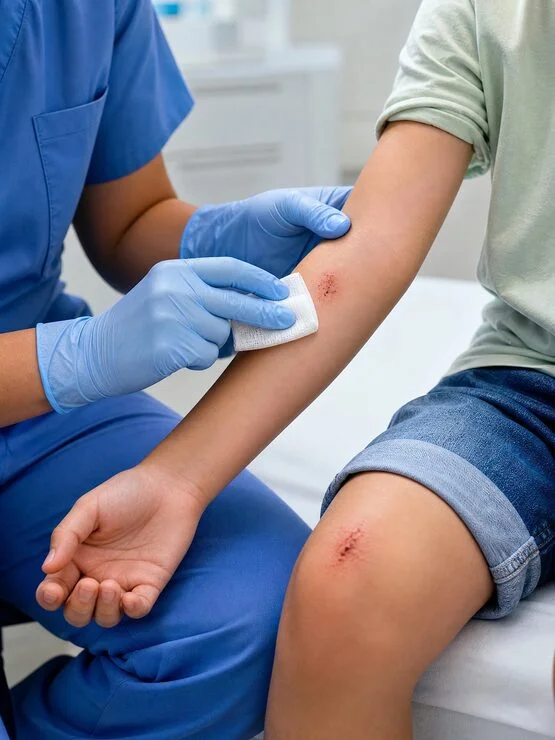
Cuts, scrapes, and other wounds can sometimes require medical attention, especially when they are deep, painful, difficult to keep clean, or slow to heal. Our physicians can assess the wound and look for signs that may require further care.
Sprains and Strains
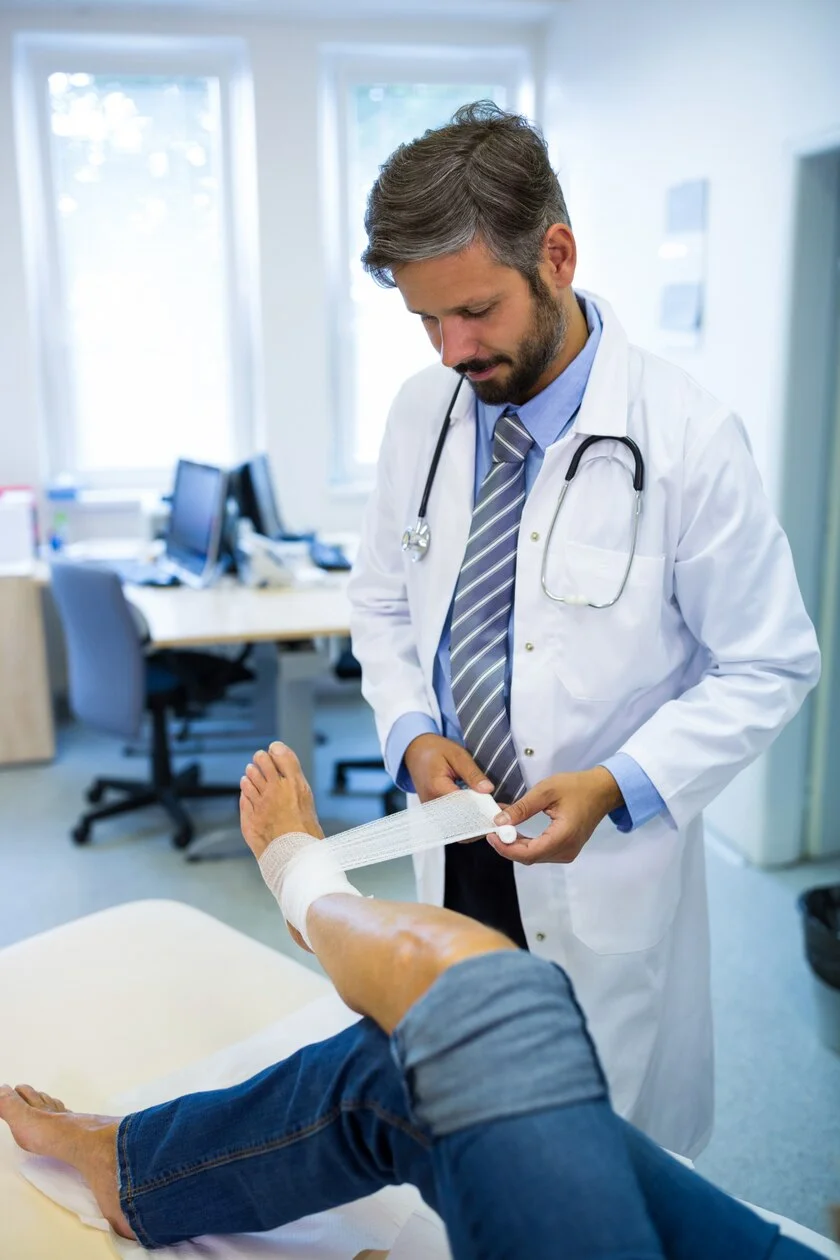
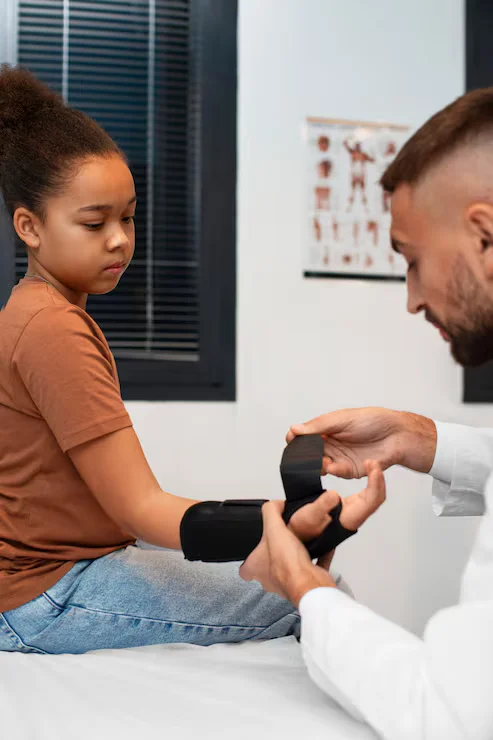
A sudden twist, awkward movement, or overstretched muscle can lead to a sprain or strain. Pain, swelling, stiffness, tenderness, and reduced movement are common symptoms. We can assess the affected area and help you understand the appropriate next steps for recovery.
Minor Burns
Burns can happen while cooking, working, or handling hot objects and liquids. Even a smaller burn may need medical assessment if pain persists, the affected area is concerning, or healing does not seem to be progressing normally.
Bruises and Bumps
Falls, knocks, collisions, and other everyday accidents can cause bruising, swelling, or localized pain. If the discomfort persists, swelling increases, or you are concerned about the injury, our physicians can assess it and advise you on appropriate care.
Sports Injuries
Recreational activities, exercise, and competitive sports can result in sprains, strains, bruises, and other minor injuries. Whether an injury happened on the field, at the gym, or during a weekend activity, we can assess appropriate injuries and help you determine when it is reasonable to return to normal activities.
Minor Bites and Stings
Bites and stings can cause localized pain, redness, itching, or swelling. If symptoms persist or you are concerned about the reaction, our physicians can assess the affected area and determine whether further medical care is needed.
Minor Falls and Accidents
Slips, trips, falls, and other everyday accidents can result in pain or limited movement even when there is no obvious serious injury. An assessment can be helpful when symptoms continue after the initial incident or interfere with your normal activities.
Work-Related Injuries
Minor injuries can occur while lifting, moving equipment, performing repetitive tasks, or completing everyday workplace activities. If you have experienced a work-related injury, we can assess appropriate minor injuries and help determine the next step.
Minor Joint and Muscle Injuries
Pain or stiffness in the shoulder, knee, wrist, ankle, or another joint can follow an accident, physical activity, or overuse. Our physicians can assess the symptoms and help determine whether additional care or follow-up may be appropriate.
Wounds That Are Not Healing Normally
If a wound remains painful, becomes increasingly red or swollen, develops drainage, or does not appear to be healing as expected, medical assessment may be appropriate. Early attention can help determine whether further treatment is needed.
Our goal is not simply to look at the injury. We consider the circumstances, your symptoms, and your overall health when determining what should happen next.
Book An Appointment
When Should You Have an Injury Checked?
Some injuries improve with basic first aid and time. Others may become more painful, swollen, or difficult to use as the hours or days pass. If you are unsure whether an injury needs medical attention, it is reasonable to have it assessed.
Consider visiting our minor injury clinic in Winnipeg for medical assessment when:
- Pain is persistent or getting worse
- Swelling is increasing or not improving
- You have difficulty moving the affected area
- A sprain or strain is interfering with everyday activities
- A cut is not healing as expected
- You notice increasing redness, warmth, swelling, or drainage around a wound
- A minor burn remains painful or concerning
- You have a sports injury that is affecting movement or normal activity
- You are uncertain about how serious the injury may be
An assessment can help determine whether continued home care is appropriate or whether you may need additional treatment, testing, follow-up, or referral.
Book An Appointment
Convenient Injury Care on Pembina Highway
Getting medical attention for a minor injury should be convenient, particularly when you are balancing work, school, family responsibilities, or other commitments.
South Pembina Walk-In Clinic is a medical clinic on Pembina Highway serving patients in South Winnipeg and nearby communities. We are conveniently located across from Victoria General Hospital and near the University of Manitoba Fort Garry Campus.
Our location is convenient for patients and families in areas including:
- Fort Garry
- Waverley Heights
- Waverley West
- Whyte Ridge
- Bridgwater
- South Pembina
- Other surrounding South Winnipeg communities
For patients looking for a walk-in clinic near University of Manitoba, our Pembina Highway location provides accessible family medicine and walk-in care close to campus and surrounding neighbourhoods.
You do not need to determine the diagnosis yourself before coming in. Tell us what happened, explain what you are experiencing, and our physicians can assess the injury and advise you about the appropriate next step.
Book An Appointment
When a Minor Injury Needs Emergency Care
Walk-in medical care is appropriate for many less serious injuries, but some situations require emergency attention.
Seek emergency medical care for a serious or potentially life-threatening injury.
Examples can include:
- Severe or uncontrolled bleeding
- Loss of consciousness
- A serious head injury accompanied by concerning symptoms
- Significant difficulty breathing
- A major deformity or an injury where a limb appears badly damaged
- Severe burns
- Severe chest or abdominal injury
- An injury causing significant loss of function
- Other symptoms that make you believe the situation is an emergency
The Province of Manitoba advises calling 911 for medical emergencies. For serious but non-life-threatening concerns, the appropriate level of care can depend on the injury and symptoms.
If you are dealing with a severe injury, do not wait for a routine walk-in visit. For life-threatening emergencies, call 911 or go to the nearest emergency department.
If the injury appears serious or life-threatening, seek emergency care rather than waiting for a clinic assessment.
Book An Appointment